

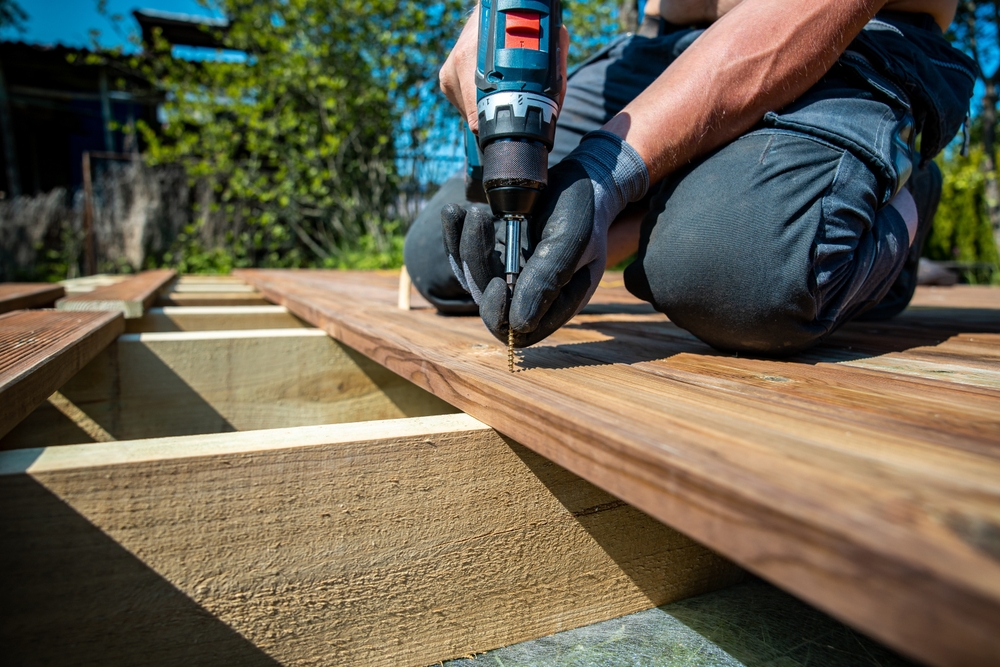
Living in a coastal city like Annapolis, MD comes with many advantages: scenic views, fresh seafood, and a vibrant boating culture. But if you’re a homeowner with a deck, the salty sea breeze is not always your friend. Salt air can silently and steadily compromise your deck’s appearance, structure, and longevity. Whether you have a traditional wooden deck or have been considering composite decking vs wood in Maryland, understanding how salt air affects your outdoor space is key to preserving your investment.
In this guide, we’ll walk through five specific ways salt air damages decks in Annapolis and explain how professional Annapolis deck refinishing and proper maintenance can fix and even prevent these issues. By the end, you’ll have a solid grasp of what to watch for and how to keep your deck in top shape.
1. Accelerated Wood Rot from Moisture and Salt Penetration
Wood and water have never been a good mix, but when you add salt into the equation, the decay process speeds up significantly. Salt air carries fine salt particles that land on your deck and draw in moisture from the air. Over time, this combination soaks into the wood fibers, creating the perfect environment for rot, mildew, and mold growth.
This problem is particularly common with untreated or poorly maintained wood decks. The salty moisture weakens the wood structure at a cellular level, leading to soft spots, splintering, and eventually dangerous instability. Areas under planters, rugs, or furniture where air does not circulate well are even more susceptible to hidden rot.
To fix and prevent this, regular Annapolis deck refinishing is essential. Sanding off the damaged surface and applying a marine-grade sealant will create a protective barrier against salt and moisture. If decay has already taken hold, professional deck repair in Annapolis, MD may be necessary to replace affected boards and restore the deck’s integrity.
2. Corrosion of Fasteners and Metal Components
While wood gets most of the attention, salt air wood corrosion affects more than just the planks. Metal fasteners, nails, screws, and joist hangers are also vulnerable to salt exposure. Salt is highly corrosive to most metals, including the galvanized steel typically used in deck construction. Over time, fasteners can weaken, loosen, or even break completely, compromising the safety of the structure.
The signs of this problem may not be immediately visible from the surface. You might not realize a deck board is insecure until it creaks, lifts, or wobbles. In some cases, rusty runoff stains on the deck surface can be a clue that corrosion is happening below.
To address this, a qualified deck professional will inspect the structural elements beneath your deck. Replacing corroded fasteners with stainless steel or specially coated alternatives designed for coastal environments is a smart move. The best deck builder in Anne Arundel County will know exactly which hardware is suited to endure Annapolis’ salty conditions and ensure that your deck remains both safe and strong.
3. Fading and Discoloration from UV and Salt Residue
Beyond structural damage, the appearance of your deck can also suffer due to salt air. Salt residue left behind by evaporated seawater creates a chalky film that dulls your deck’s finish. Add in the intense summer sun reflecting off the Chesapeake Bay, and you’ve got a recipe for rapid fading and discoloration.
This aesthetic damage affects both wood and composite materials. Wooden decks may develop uneven patches of bleached or gray wood, while composite decking can lose its original hue and develop stubborn white streaks. This not only makes your outdoor space look worn but also reduces your home’s curb appeal.
The good news is that Annapolis deck refinishing can revive the color and beauty of your deck. For wood decks, this means cleaning, sanding, and staining with UV-blocking finishes. For composite decks, there are special cleaners and sealants formulated to remove salt buildup and restore color. A regular maintenance schedule can extend the life of your deck’s finish, keeping it vibrant despite the harsh environment.
4. Surface Erosion and Grain Damage
Salt air doesn’t just sit on your deck; it wears it down over time. Wind-driven salt particles act like microscopic sandpaper, gradually eroding the surface of your decking material. This results in a rough, splintered texture in wood or a dull, uneven surface in composite decking.
In wooden decks, the soft parts of the grain are especially vulnerable, leading to an uneven surface that traps more dirt and moisture. In composite materials, surface erosion may not cause structural harm but can significantly affect appearance and comfort underfoot.
The key to managing this issue is regular cleaning and protective treatments. Pressure washing may seem like a quick fix, but it can worsen surface erosion if done improperly. A professional deck refinishing service in Annapolis will use gentle techniques and reapply protective coatings that prevent further damage. Sanding and sealing wood decks or using a composite restorer product can bring back a smooth, clean surface.
5. Structural Weakening from Long-Term Exposure
All of the previously mentioned issues can eventually contribute to a more serious concern: structural weakening. When rot spreads, fasteners corrode, and materials degrade, your deck may become unsafe. This is especially concerning in Annapolis, where decks are often used for entertaining or have multiple levels and stairs.
Older decks, in particular, may have been built with materials that aren’t suited for coastal climates. If you’re not sure how your deck was constructed, it’s worth scheduling an inspection. A professional can assess whether repairs or a full rebuild are needed. This also gives you the chance to consider the long-term advantages of composite decking vs wood in Maryland. Composite materials, while not immune to all salt air issues, typically resist rot, mold, and corrosion better than natural wood.
In cases where damage is too extensive, starting fresh with a new deck built from salt-resistant materials and modern construction techniques may be the best solution. A reputable builder in Anne Arundel County will guide you through this decision and ensure your new deck is built to last.
Conclusion
Salt air is a constant presence in Annapolis, but that doesn’t mean your deck has to suffer. With the right care, materials, and expertise, you can enjoy your outdoor space for many years despite the challenges of the coastal environment. From preventing salt air wood corrosion to addressing structural concerns, proactive maintenance is the key to longevity.
Investing in professional Annapolis deck refinishing services not only restores your deck’s appearance but also protects it from further damage. Whether you’re planning simple repairs or considering a switch to composite decking, working with the best deck builder in Anne Arundel County will ensure your deck is safe, beautiful, and built to handle everything the Chesapeake Bay throws its way.
Need Home Improvement Services Near You?
Ready to transform your home or business? At Villa Silva Home Improvements, we’re here to bring your vision to life with reliable, high-quality craftsmanship you can count on. Whether you need painting, remodeling, deck work, or general handyman services, our licensed and 5-star-rated team is committed to delivering exceptional results, clean, on time, and within budget. If you’re in Annapolis or the surrounding communities, reach out today and let us help you elevate your space with confidence!